 Save to Pinterest
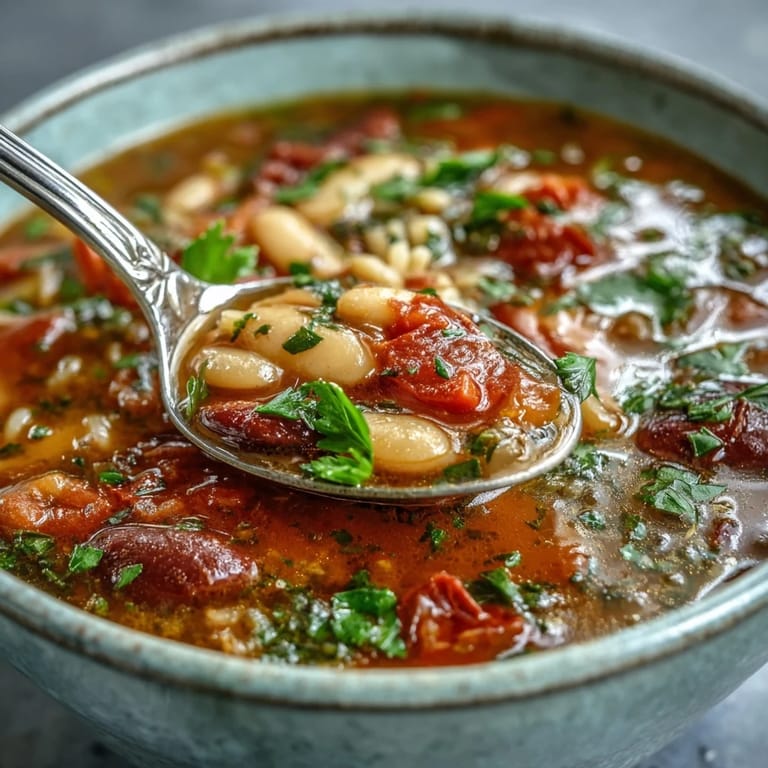
 I used to think minestrone was just a way to clear out the vegetable drawer until a rainy Tuesday in October changed my mind. The wind was rattling the kitchen window and I needed something that felt like a warm hug from the inside out. As the onions hit the hot oil the kitchen transformed from cold and sterile to cozy and aromatic. This soup is a ritual of patience and fresh produce that rewards a slow afternoon. It taught me that simple ingredients create the most complex comforts.
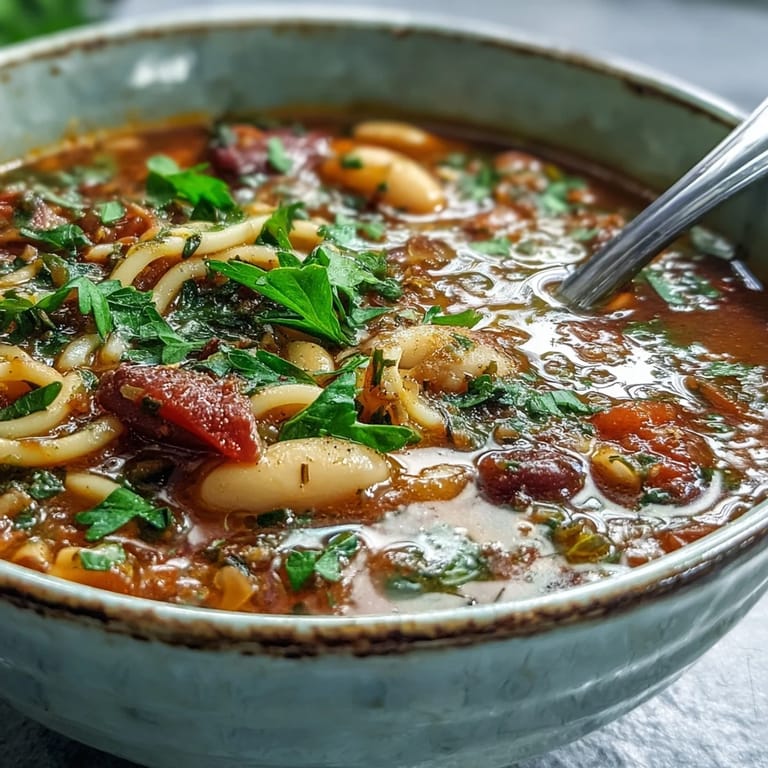
One time I accidentally overcooked the pasta because I got distracted by a phone call from my sister. The ditalini absorbed nearly all the broth turning it into a thick vegetable stew instead of a soup. We ate it with spoons anyway and my husband actually preferred the thicker version. Now I sometimes let it sit a little longer just to get that hearty texture. Recipes are just suggestions and happy accidents are part of the joy of cooking.
Ingredients
- Olive oil: This provides the essential fat base that carries the flavors of the aromatics throughout the pot.
- Onion celery and carrots: These three create the soffritto foundation that gives the soup its incredible depth.
- Garlic: Freshly minced cloves add a sharp punch that mellows out beautifully as the broth simmers.
- Zucchini and green beans: These provide a lovely snap and variety of textures against the soft beans.
- Diced tomatoes and paste: The paste adds a concentrated richness while the canned tomatoes provide necessary acidity.
- Vegetable broth: Using a low sodium version allows you to control the final seasoning exactly to your liking.
- Dried herbs: Oregano basil and thyme bring that classic Italian garden scent to every single spoonful.
- Cannellini beans: These creamy white beans add a satisfying protein boost and help naturally thicken the liquid.
- Small pasta: Ditalini or elbows are perfect because they fit right onto a spoon with the vegetables.
- Baby spinach: Adding these greens at the very end keeps them vibrant and prevents them from turning mushy.
Tired of Takeout? 🥡
Get 10 meals you can make faster than delivery arrives. Seriously.
One email. No spam. Unsubscribe anytime.
Instructions
- Start the base:
- Warm your oil and let the onion celery and carrots soften until they look glassy and smell sweet. This builds the flavor profile from the bottom up.
- Add texture:
- Stir in the garlic zucchini and green beans to let them pick up some color from the pan. This step ensures the vegetables are perfectly tender later on.
- Simmer the broth:
- Pour in the tomatoes broth and all those fragrant dried herbs to start the slow cook. Let the bubbles carry the herb scents through your whole home.
- Cook the pasta:
- Drop in your beans and pasta watching as the noodles swell and soak up the herb infused liquid. Be sure to stir occasionally so nothing sticks to the bottom.
- The green finish:
- Fold in the spinach and fresh parsley until they just wilt into a deep forest green. This adds a burst of freshness right before serving.
- Final seasoning:
- Taste your creation and add salt or pepper until the flavors really pop on your tongue. Remove the bay leaf before you start ladling it out.
 Save to Pinterest
 I remember serving this to my grandmother who usually avoids anything vegetarian. She took one sip and reached for a second piece of crusty bread while asking for the recipe. It was the first time she admitted that a meal without meat could be just as filling. That moment made this soup a permanent fixture in my family recipe rotation.
Choosing Your Pasta
I found that using tiny shapes like ditalini or even orzo makes for a much more balanced bite. Larger noodles tend to take over the bowl and make it harder to get a little bit of everything in one go.
The Importance of Toppings
While the soup is great on its own a drizzle of extra virgin olive oil and a sprinkle of cheese changes everything. The cold oil hitting the hot broth releases a fresh peppery aroma that is absolutely intoxicating.
Leftover Wisdom
This recipe makes a large batch so knowing how to handle the leftovers is key for a good lunch. Since the pasta keeps absorbing liquid as it sits you might need a splash of water when reheating.
- Keep an extra carton of broth handy for thinning out the soup the next morning.
- Store the leftovers in glass containers to keep the tomato base from staining.
- Wait until the soup is completely cool before putting it in the freezer.
 Save to Pinterest
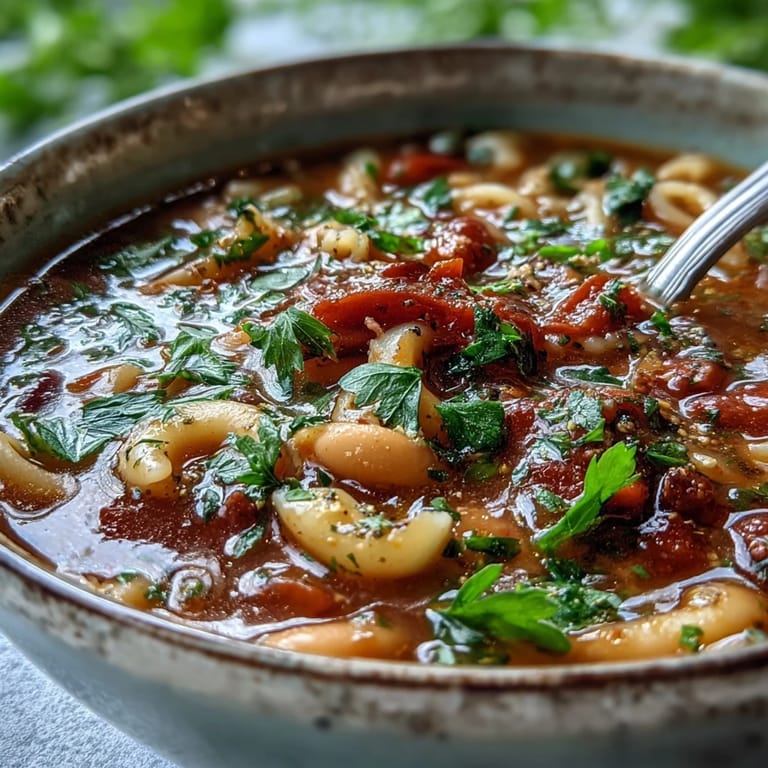
 This bowl of goodness is proof that patience and a few fresh vegetables can cure any bad day. I hope it brings as much warmth to your kitchen table as it does to mine.
Questions & Answers
- → What vegetables work best in minestrone?
Classic choices include onions, celery, carrots, zucchini, and green beans. You can also add seasonal vegetables like butternut squash, bell peppers, or chopped kale. The key is cutting everything into similar-sized pieces for even cooking.
- → How do I prevent the pasta from becoming mushy?
Cook the pasta directly in the soup until al dente, then serve immediately. The pasta will continue softening in the hot broth. For leftovers, consider cooking pasta separately and adding it when reheating individual portions.
- → Can I make this gluten-free?
Absolutely. Simply substitute the regular pasta with your favorite gluten-free variety like rice pasta, corn-based shells, or chickpea pasta. Also ensure your vegetable broth is certified gluten-free.
- → Does minestrone freeze well?
Yes, it freezes beautifully for up to 3 months. Cool completely before transferring to freezer-safe containers. The pasta may soften slightly upon reheating, but the flavors often improve after freezing.
- → What can I use instead of cannellini beans?
Great northern beans, navy beans, or kidney beans work wonderfully. Chickpeas also add nice texture and protein. Even red lentils can be used—they'll break down slightly and naturally thicken the broth.
- → How can I add more protein?
Increase the quantity of beans, add a Parmesan rind while simmering, or stir in some chopped kale or spinach near the end. For non-vegetarians, a bit of pancetta or prosciutto adds depth and protein.