 Save to Pinterest
 The first time the aroma of lemon and lavender mingled in my kitchen, I paused mid-whisk, surprised by how instantly the air felt like a garden in late spring. A loaf cake so fragrant it ventured beyond dessert, tempting me with the promise of delicate crumb and floral sweetness. I hadn’t planned to bake with lavender but found a forgotten tin in the pantry while looking for vanilla, and curiosity took over. Citrus and flowers together seemed almost too charming until the batter came together, and all doubts vanished with that first dreamy spoonful of glaze. The result was too lovely to keep to myself.
One rainy Saturday, I made this loaf for a friend’s visit, laughing as we spilled lavender buds across the counter and wondered aloud if we’d over-zested the lemons. Our hands were sticky from juicing but the kitchen smelled so bright it banished any gloom outside. We shared thick slices over mugs of tea, arguing playfully about the right amount of glaze, and agreed that some cakes belong at the center of a good conversation. No one noticed the rain once the cake was sliced. That memory still clings to every batch I bake.
Ingredients
- All-purpose flour: Sift it for the softest crumb; I learned the difference firsthand when I skipped this step once.
- Baking powder & baking soda: These ensure your loaf rises beautifully—don’t replace one for the other.
- Salt: Just a pinch rounds out the sweetness and wakes up the lemon.
- Dried culinary lavender buds: Go easy—too many and your cake will taste like perfume, just enough and it’s deliciously subtle.
- Lemon zest: The zest is where all the oils and fragrance hide; freshly zest it right before baking for optimal zing.
- Unsalted butter (room temp): Patience here pays off—a properly softened butter whips up so fluffy with sugar.
- Granulated sugar: Creaming this well with butter gives your loaf its light, tender base.
- Large eggs (room temp): They blend in better and help everything emulsify—let them sit out for the fluffiest crumb.
- Greek yogurt or sour cream: Adds moisture and a little tang I wouldn’t skip—the crumb just isn’t the same without it.
- Whole milk: Richness and just enough looseness for pouring batter; infusing it briefly with lavender intensifies the flavor if you like.
- Fresh lemon juice: Only the real thing! The tartness keeps the loaf bright and lively.
- Pure vanilla extract: A dash ties together all the floral and citrus notes into a rounded, aromatic whole.
- Powdered sugar (for glaze): Sifted makes mixing with honey and juice so easy—no lumps allowed.
- Honey: Adds warmth and shine to the glaze; use a gently flavored kind so it doesn’t overpower the lemon.
Tired of Takeout? 🥡
Get 10 meals you can make faster than delivery arrives. Seriously.
One email. No spam. Unsubscribe anytime.
Instructions
- Prep Your Loaf Pan:
- Grease and line your pan with parchment, letting a little hang over the sides so you can lift out the loaf easily—less mess, more ease.
- Mix Dry Ingredients:
- Inhale deeply as you whisk together the flour, leaveners, salt, lavender, and lemon zest; your bowl will look like sunshine and flowers.
- Cream Butter & Sugar:
- Beat them together until so light and pale it almost looks whipped cream-like; you’ll hear a soft pat-pat against the bowl when it’s ready.
- Add Eggs:
- Add them one by one, pausing to scrape down the sides so nothing gets left out and everything blends smoothly.
- Add Dairy & Flavors:
- Stir in the yogurt, milk, lemon juice, and vanilla gently—expect a light tang and a subtle floral scent wafting up.
- Combine Wet & Dry:
- Mix in dry ingredients just until the flour vanishes—count to eight with gentle folds; too much mixing and you’ll lose the magic softness.
- Bake the Loaf:
- Pour your batter into the pan, smooth the top, and set in the oven; halfway through, enjoy how the whole kitchen smells like a bakery garden.
- Cool & Remove:
- Let the loaf rest in the pan before nudging it out onto a rack—the soft crumb needs its moment to settle, trust me.
- Make the Glaze:
- In a small bowl, whisk powdered sugar, honey, and lemon juice; it should fall off the spoon in ribbons, not clumps. Add a little more juice for a thinner drizzle.
- Glaze & Serve:
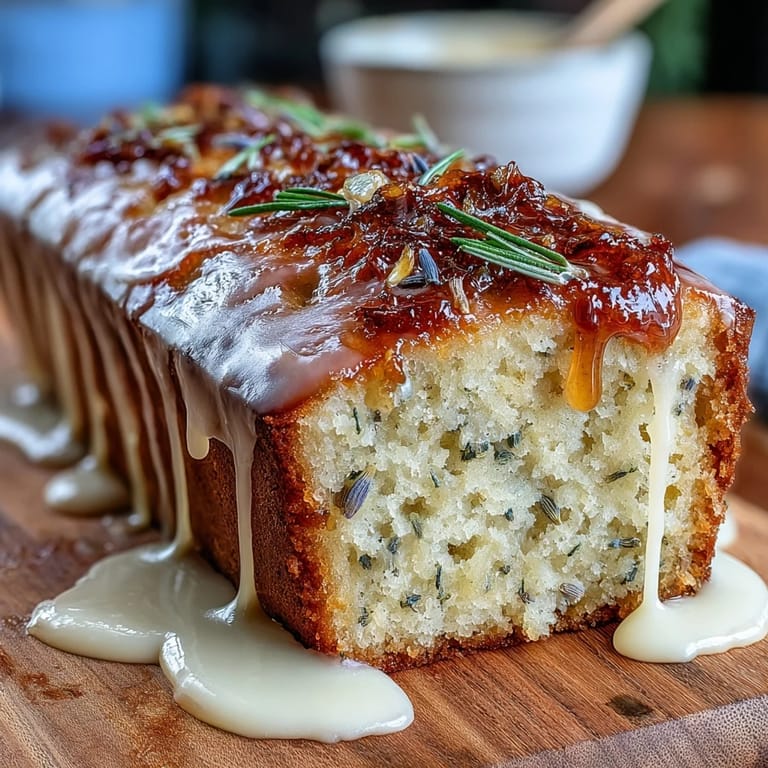
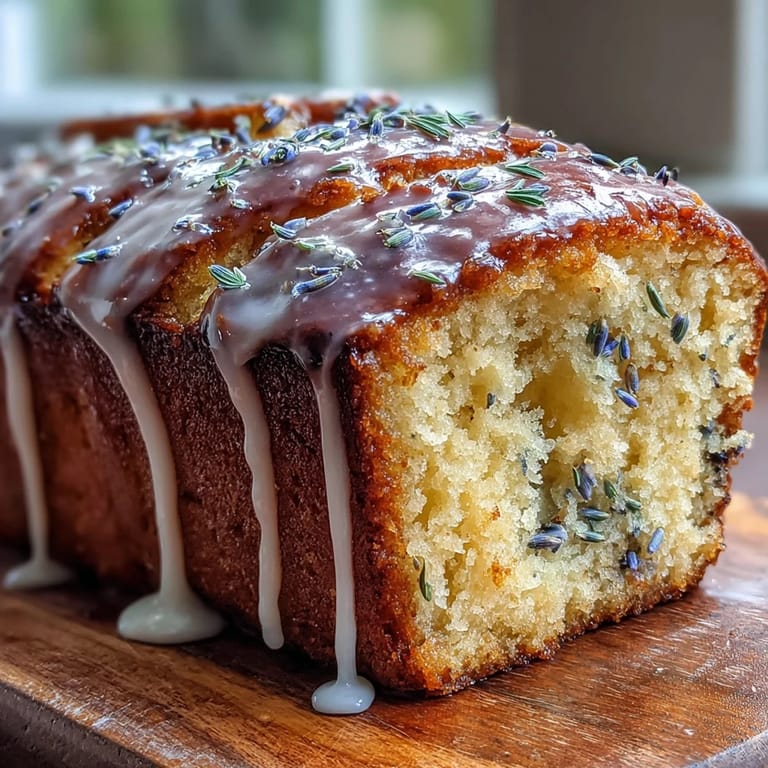
- Drizzle generously over your cooled loaf, let it set until glossy, and marvel at how inviting it looks—sprinkle extra zest or lavender if you like.
 Save to Pinterest
 A neighbor peeked in when she caught the lemony smell drifting out my window, so I sliced her a piece right then—her smile said everything. From that day, this loaf felt like a little bridge between kitchens, shared with friends both old and new.
Let’s Talk Texture
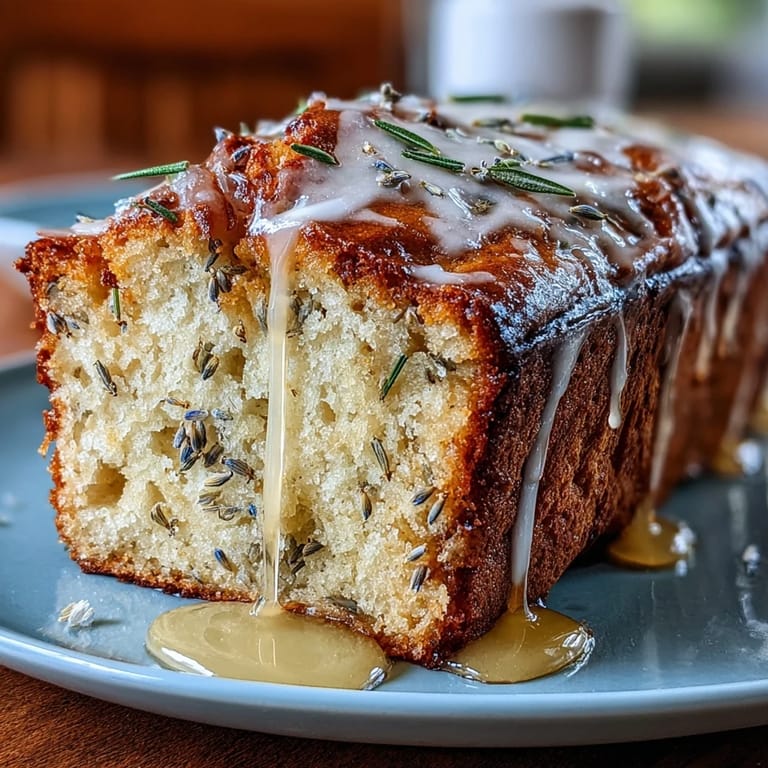
The tang from yogurt and the fluff from properly creamed butter mean your loaf will be rich but not dense. Don’t skip sifting the flour, or you might end up with a cake that’s heavier than you’d like. I like to check mine at forty-five minutes with a skewer, just to keep it from drying out. A slightly golden top and a springy middle are perfect signals. Trust your senses more than the clock—your oven knows best.
Decorating Your Loaf
The glaze needs only a few minutes to set but adding fresh strips of zest or a pinch of lavender buds right before serving elevates the look. Even a cluster of edible flowers transforms this loaf into a centerpiece. Try serving on a vintage plate or with a sprig of mint for a charming touch. My guests always comment on these little details. Small touches go a long way when you’re sharing dessert.
Mini Loaves & Gifting Ideas
Divide the batter into mini loaf pans if you want to make individual gifts or smaller treats. Bake for a shorter time (about 25-30 minutes), checking with a toothpick for doneness. Wrap cooled loaves in parchment and twine for an easy present.
- Add a handwritten lemon-lavender recipe card for gifting.
- A sprinkle of extra zest makes each mini loaf pop.
- Include a sachet of loose leaf tea for a thoughtful pairing.
 Save to Pinterest
 This loaf has a little magic tucked into every crumb—perfect for sharing, gifting, or simply savoring a slice yourself. Each bake is a reminder that even the simplest kitchen moments can turn into something unforgettable.
Questions & Answers
- → How much lavender should I use without overpowering the citrus?
Use about 1 tablespoon of culinary dried lavender buds for a balanced floral note. Taste the batter if using infused milk and reduce if the lavender aroma feels too strong.
- → Can I substitute Greek yogurt with something else?
Yes — sour cream or buttermilk are good swaps to keep the loaf moist and tender. If using buttermilk, slightly reduce added milk to maintain batter consistency.
- → How do I get a shiny, pourable honey glaze?
Sift powdered sugar, add honey and fresh lemon juice gradually, whisking until smooth. Adjust with more lemon juice for pourability or more powdered sugar to thicken.
- → Any tips to prevent a dense crumb?
Cream butter and sugar until light and fluffy, avoid overmixing once the dry ingredients are added, and ensure eggs are at room temperature for proper emulsification.
- → How should I store leftovers to keep them fresh?
Wrap cooled loaf tightly in plastic wrap or store in an airtight container at room temperature for 2 days, or refrigerate up to 5 days. Bring to room temperature before serving for best texture.
- → Can baking time vary with different pans?
Yes — oven time may change with pan size or material. Check for doneness at 45 minutes with a skewer; if it sticks, continue baking and monitor in 5–10 minute intervals.