 Save to Pinterest
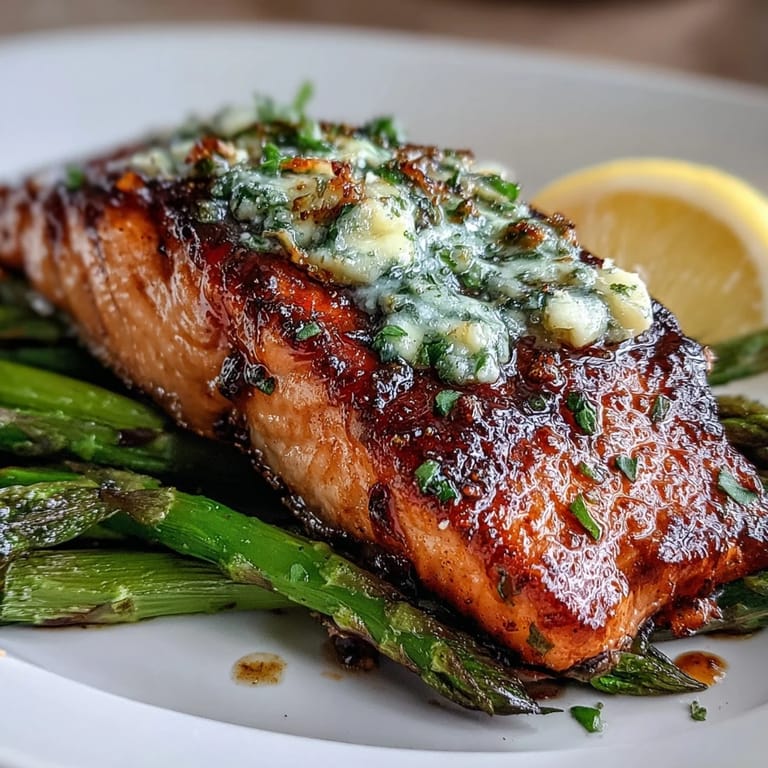
 The first time I made this Garlic Butter Salmon with Asparagus, the steamy kitchen air was thick with the scent of browning butter and crackling salmon skin. I remember how the sound of asparagus snapping cooled my nerves after a long day. Sometimes, the most satisfying dinners are the ones that come together almost by accident—just a few good ingredients and a little trust in the process. This recipe, with its quick rhythm and spring-fresh flavors, is now that kind of reliable favorite in my weeknight toolkit.
A few weeks ago, I whipped up this dish after my neighbor dropped by with a bunch of garden asparagus. We stood at the stove catching up while salmon hissed in the pan, working together with that easy rhythm that only comes with good company. She confessed she never felt confident with fish, but was hooked after watching how forgiving and quick this recipe is. We cleaned our plates, laughing about how something this tasty didn’t need fussy steps. That shared moment turned a regular Tuesday into something quietly special.
Ingredients
- Salmon fillets: Choose fresh, firm fillets; I’ve found skin-on gets a lovely crisp texture when seared.
- Asparagus: Give each spear a gentle bend—if it snaps, you know you’ve trimmed away the tough part.
- Lemon: Sliced thinly, it infuses the skillet with zesty brightness and looks pretty scattered over the dish.
- Unsalted butter: Melts into the sauce, lending creaminess without overwhelming the salmon’s clean taste.
- Olive oil: Helps everything brown evenly and prevents sticking, especially when the pan gets hot.
- Garlic cloves: Four cloves ensure deep flavor that’s strong but not overpowering.
- Fresh thyme: Use leaves off the stem, or dried thyme in a pinch; this adds an herbal pop amid the richness.
- Salt and black pepper: Season thoroughly—it’s the silent hero that wakes up all the other flavors.
- Fresh parsley: Finishing with parsley gives a gentle, grassy note and brightens each bite.
Tired of Takeout? 🥡
Get 10 meals you can make faster than delivery arrives. Seriously.
One email. No spam. Unsubscribe anytime.
Instructions
- Prep and season:
- Pat salmon fillets dry with paper towels and season both sides with salt and pepper; I like to press it in so the crust really clings during searing.
- Sauté asparagus:
- Heat a splash of olive oil in your biggest skillet over medium-high, then toss in trimmed asparagus and listen for that satisfying sizzle—3 to 4 minutes is all you need for snap and color.
- Cook the salmon:
- Slide in the salmon, skin-side down if using skin-on, with the rest of the oil and a pat of butter; don’t crowd the pieces and let them sear undisturbed until crisp and golden, about 4 to 5 minutes.
- Flip and finish:
- Gently flip the fillets and cook another couple minutes until just opaque and mostly firm to the touch.
- Make the garlic butter sauce:
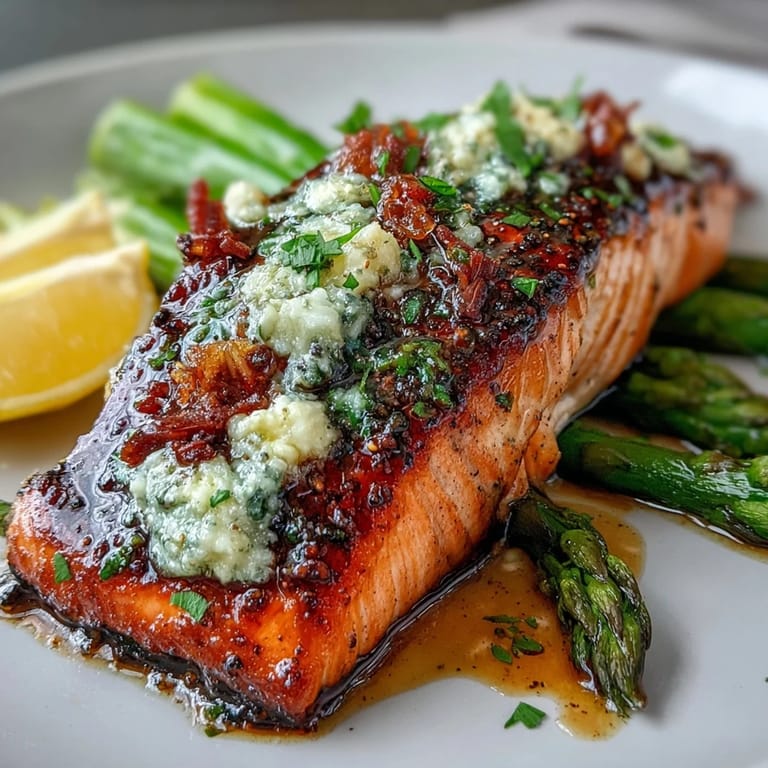
- Add minced garlic, thyme, and the remaining butter; swirl it around and spoon the foamy sauce over the fillets, relishing that delicious garlicky smell.
- Bring it all together:
- Nestle lemon slices and asparagus back in, toss gently to coat, then remove from heat; sprinkle with parsley and serve straight from the pan while everything’s hot and glistening.
 Save to Pinterest
 I’ll never forget making this when my little cousin insisted on helping by sprinkling parsley. She dropped nearly half on the stove, but her pride in the garnish made dinner feel big and joyful. Sometimes the real flavor comes from the hands that help make it.
How to Make It Work with What You Have
I’ve swapped in green beans, broccolini—even snap peas—when asparagus is out of season or missing from my fridge. The key is to keep the veggies crisp-tender and shiny, never overcooked. A splash of white wine (if you have it) gives the sauce a gentle lift, but skipping it doesn’t make or break dinner. Don’t be afraid to improvise with what’s already in your kitchen.
Timing Is Everything
This entire meal comes together so quickly that it’s best to have all your ingredients prepped and near the stove before you begin. I’ve found that if I measure and chop ahead, I can focus on the color of the butter and the scent of the aromatics, instead of scrambling for a forgotten item mid-cooking. Even if you’re distracted by a chatty kitchen companion (or a phone call), the forgiving nature of salmon means it won’t betray you with dryness as long as you watch for doneness signals.
Easy Serving Ideas and Leftovers
One evening, we served this right out of the skillet paired with a heap of roasted potatoes, letting everyone spoon on garlic butter as they wished. Cold leftovers become a dreamy lunch with crusty bread or over salad greens. If you want to stretch it, it’s also brilliant flaked into pasta or tucked into a wrap the next day.
- Don’t forget to save the buttery pan juices for drizzling.
- Leftover asparagus can be chopped into omelets.
- For a crispier skin, pat salmon extra dry before cooking.
 Save to Pinterest
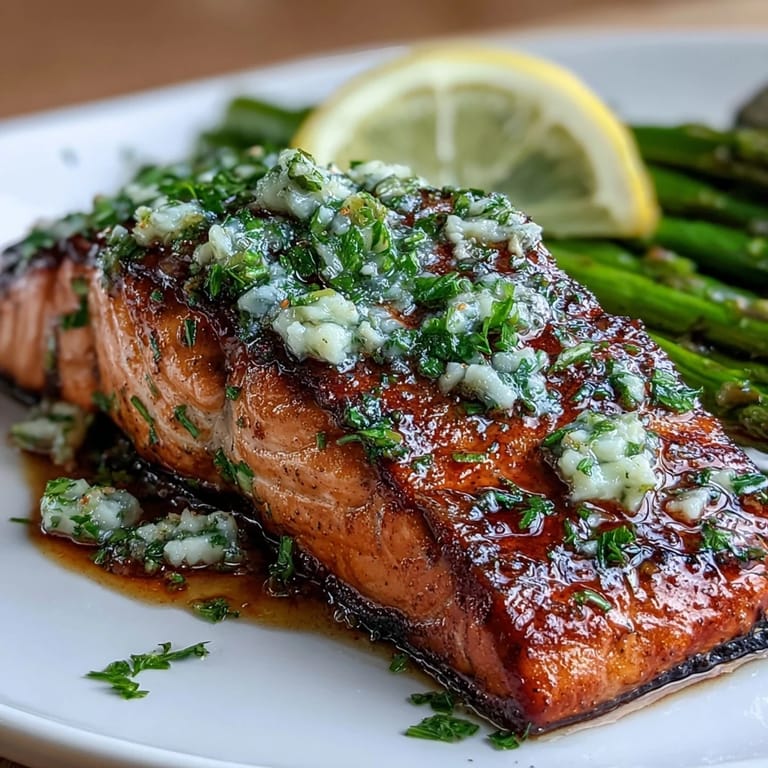
 There’s something quietly triumphant about a meal that feels both quick and special enough to share. Enjoy every buttery bite as if you cooked it just for yourself, even when you’re surrounded by hungry company.
Questions & Answers
- → How do I know when the salmon is perfectly cooked?
Salmon is done when it flakes easily with a fork and appears opaque throughout. The fillet should still be moist inside. Cooking times can vary depending on thickness.
- → Can I use frozen salmon fillets?
Yes, thaw frozen salmon completely and pat it very dry before searing to ensure crisp, golden skin and even cooking.
- → What can I substitute for asparagus?
Green beans or broccolini work well as substitutes. Adjust sauté time as needed to achieve a crisp-tender texture.
- → How can I make this dairy-free?
Replace butter with additional olive oil for a dairy-free option. The dish will still be flavorful and rich.
- → What sides pair well with this dish?
Roasted potatoes, a fresh salad, or steamed rice complement the salmon and asparagus nicely. Serve with a crisp white wine for a complete meal.